
Help bring your pain under control with an multidisciplinary care plan that includes pain physiotherapy.
For People With Pain
For Health Professionals
Refer A Patient
Many people think that physio ‘fixes’ pain by focusing on tissue healing, strength, and mobility.
Sometimes, that can be the case.
Normally, though, physio is one of several supports that work together to help you manage your pain.
Your pain physio will identify movements that suit your body (including self-guided exercises).
They’ll also help you understand your pain experience – what makes your pain worse, the role of stress and sleep, and how to move without flareups or fear.
Their goal is to relieve your pain and help you live a fulfilling life, which can include enabling you to do things your pain previously prevented you from doing.
Your pain is complex. Often, that means an multidisciplinary approach is the best way to manage it.
Our specialist pain physicians will work with your GP and our allied health practitioners to deliver care that focuses on the whole person, not just certain parts of your body.
A holistic approach has been scientifically proven to deliver better recovery outcomes than fragmented care.
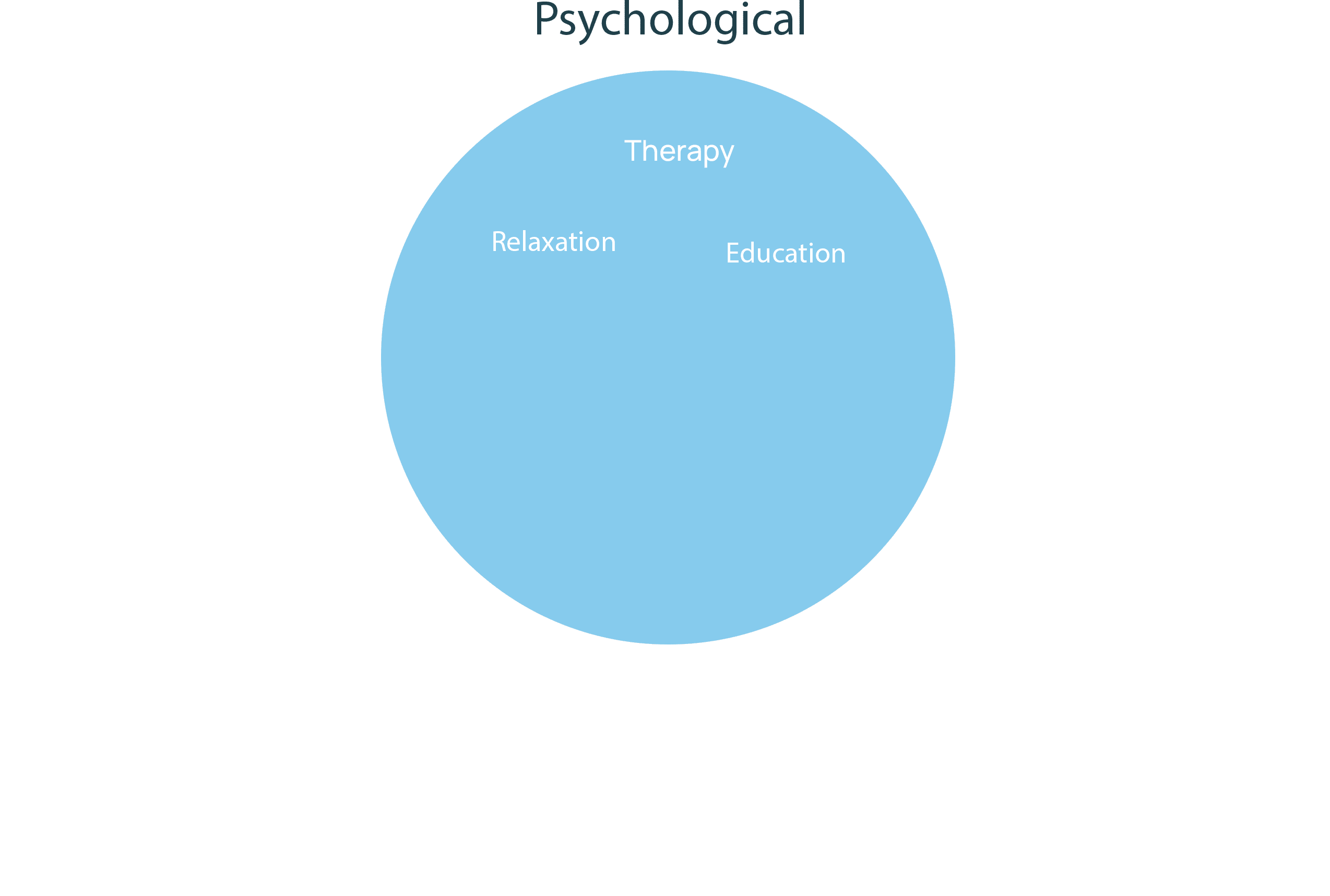

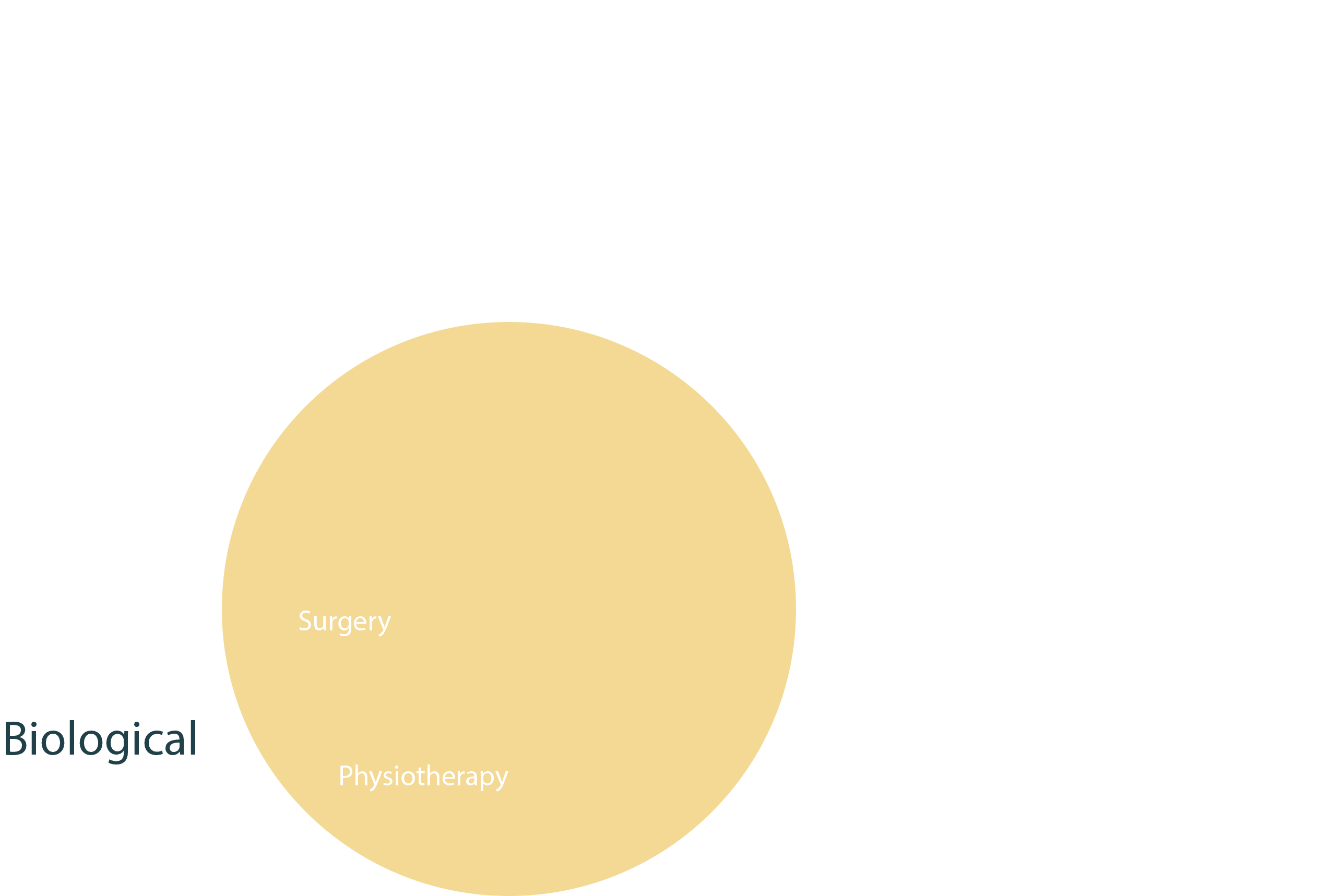

Movement can affect your pain in different ways.
Consistent activity, for example, has been proven to relieve pain by lowering sensitivity.
Strengthening and stretching work can help reduce muscle tension and stiffness.
Exercise can also improve mood, sleep, and immune function, giving you a stronger base to manage your pain from.
Your pain physio will help you find safe, low-impact movements that work for you.
Depending on your care plan, that might include exercise, manual manipulation, and self-directed activities.
During your first session, your pain physio will assess your movement and ask you about your pain experience.
They’ll focus on finding your ‘painchangers’ – the things that make your pain better or worse.
In the next 2 to 3 sessions, they’ll work with you to create a step-by-step plan that helps you manage your pain better.
That plan could include finding safe movements, improving your sleep, and reducing flare-ups.
Your physio might also help you make sense of your pain from a whole-person perspective, exploring how thoughts and behaviours can affect pain.
Remember: your pain experience is unique, so what works for other people may be different to what works for you.
‘I’m so tired.
I’ve seen multiple GPs who’ve referred me to multiple physios, and none of them have helped me.
I don’t want more false hope and wasted time.
I just want to get my pain under control.’
We know how exhausting persistent pain is.
We know how frustrating it is to be bounced between different health providers.
Our physios only support people living with pain.
They’re trained in pain management and operate as part of an multidisciplinary care team led by our specialist pain physicians.
Even if previous physio hasn’t helped, working with a team specifically trained in pain management can make a meaningful and lasting difference.
You can book our allied health services (including physiotherapy) directly by contacting us.
To be eligible for Medicare, your GP will need to refer you under a health assessment, chronic disease management plan, or mental health plan.
You can access our full range of services – including our specialist pain physicians – through a GP referral.
To help your GP understand the importance of pain management, you can share this website with them or encourage them to call us directly for a free discussion.
For People With Pain
A pain physiotherapist is a qualified physiotherapist who has undertaken additional training in pain management. They understand how pain works, what can cause it, and, importantly, that everyone’s pain is different.
If your integrated care plan includes support from one of our pain physios, they’ll help you use movement to alleviate your pain. You don’t need a musculoskeletal injury to benefit from physiotherapy. Because our minds and bodies are so connected, movement and specific exercises might change how you experience pain.
If your pain is caused by something musculoskeletal, a pain physio can support you as you strengthen and desensitise your muscles, tendons and ligaments. All our pain physios collaborate with your GP and broader care team as part of our multidisciplinary, evidence-backed approach to pain management.
Many people talk about ‘4 types of pain’, which are:
Your body is covered in something called the somatosensory nervous system (SNS), which detects things like touch, pressure and temperature. Your SNS is part of your peripheral nervous system (PNS).
Your SNS has nerve cell endings called nociceptors. When nociceptors detect an unpleasant sensation like an injury, they send a signal to your central nervous system (CNS). Your CNS then passes that signal to your brain, which registers it as pain.
When pain occurs in response to an injury or illness and goes away as the condition heals, it’s called acute pain. If pain persists for than 3 months, though, it’s classified as persistent pain. Any type of pain caused by your nociceptors responding to sensations is called nociceptive pain.
Sometimes, your SNS can be affected by injury or disease, which causes your nociceptors to ‘misfire’. That’s known as neuropathic pain.
You might also hear about nociplastic pain, which refers to pain that isn’t caused by your nociceptors responding to a sensation and isn’t caused by an SNS condition. Instead, nociplastic pain is the result of your nociception changing. Central pain – where your CNS becomes overly sensitive – is a type of nociplastic pain.
Remember: pain is about your experience, not the label. If you’re living with ongoing pain, ask your GP for a referral to a specialist pain clinic like us.
Physiotherapy is often helpful for people living with pain. If you’re thinking about visiting a pain physio, keep a few things in mind.
All pain is caused by nerves called nociceptors. When nociceptors register an unpleasant sensation like an injury, they send a signal to your central nervous system (CNS). Your CNS then passes that signal to your brain, which registers it as pain.
Some pain is caused by the nociceptors themselves rather than an unpleasant sensation. Sometimes, they’ll be damaged or diseased, which causes them to ‘misfire’. Other times, they’ll become overly sensitive and register normal sensations as pain. Your CNS can also become overly sensitive, lowering your body’s pain threshold.
Your GP can refer you to a specialist pain physician to help you work out exactly what’s causing your pain.
Cognitive functional therapy (CFT) is an integrated behavioural approach to managing pain. It was originally developed for persistent lower back pain.
CFT has three main components:
CFT is an evidence-backed approach. It has been proven to deliver better outcomes than manual therapy and other physiotherapy exercises.
Dr Duncan’s PhD, which was nominated for the King’s College London graduate school prize, explored the brain mechanisms and modulation of persistent pain using modern neuroimaging techniques.
‘MScMed (Pain Mgmt)’ stands for ‘Master of Science in Medicine (Pain Management)’.
‘BExSci’ stands for ‘Bachelor of Exercise Science’.
‘BPhty’ stands for ‘Bachelor of Physiotherapy’.
‘PGCert (Pain)’ stands for ‘Post-Graduate Certificate (Pain)’.
‘MCPhyth (Continence and Women’s Health)’ stands for ‘Masters of Clinical Physiotherapy (Continence and Women’s Health)’.
‘APA Continence and Women’s Health Physiotherapist’ means that the physiotherapist has been titled by the Australian Physiotherapy Association as having proven expertise in areas such as incontinence, pelvic floor muscle training, osteoporosis, and exercise post-mastectomy. (Despite the name, physiotherapists with this title work with both men and women.)
‘BHMS’ stands for ‘Bachelor of Health and Medical Sciences’.
For Healthcare Providers
If your patient is living with persistent pain – even if they haven’t been diagnosed – they should see a specialist pain physician as soon as possible. The earlier they can start receiving integrated care, the less sensitised their CNS will be, which improves their recovery chances. Pain medicine is not a last resort or palliative care.
You can use our referral screening tool to see whether your patient should see a pain medicine specialist.
When you refer a patient to us, our pain physicians will act as consultants. We’ll screen your patient for any morbidities that could be contributing to their pain, then liaise with you to put together an multidisciplinary care plan. Depending on the patient, that may include support from our in-house dietitians, physiotherapists , and psychologists.
As the patient’s primary physician, you’ll direct their care with our support. We’ll suggest regular reviews of the patient’s progress and adjustments to their plan as required. Importantly, you’ll also have an open line of communication with the treating pain physician – they’ll be available to talk through any questions, concerns or thoughts you might have. If a patient’s care plan includes surgery, that physician will conduct any necessary procedures.
You can call us to discuss our services or a specific scenario free of charge. We strongly believe that deepening the medical community’s understanding of persistent pain is the best way to help more patients get the care they need.

If you’re a GP or specialist, you can help your patients get the multidisciplinary care they need. Make a referral, request more information, or discuss a patient’s situation with one of our pain physicians.
Statistic based on responses published in the 2024 National Pain Report.


