Skip to content
Book An Appointment

Dr Liam Ring

FANZCA, FFPMANZCA

Dr Liam Ring

Dr Liam Ring is a dual-qualified specialist pain medicine physician and specialist anaesthetist with extensive experience in the assessment, diagnosis and management of acute and persistent pain. He currently serves on the Panel of Examiners for the Faculty of Pain Medicine (ANZCA), holds faculty endorsement, and is an accredited procedural supervisor within the Faculty Procedures in Pain Medicine Program, reflecting his commitment to excellence in education, training, and clinical standards across the specialty.

Dr Ring completed his medical degree at the University of Queensland, followed by specialist training in anaesthesia across South East Queensland and Northern New South Wales. He later advanced his expertise in pain medicine at the renowned Michael J. Cousins Pain Management and Research Centre at Royal North Shore Hospital in Sydney (Australia’s leading centre for interdisciplinary chronic pain research and clinical care).

After obtaining fellowship, Dr Ring practiced in Sydney for several years as a specialist pain medicine physician and specialist anaesthetist at major public and private hospitals, including Nepean Hospital, Liverpool Hospital, North Shore Private Hospital, and the Northern Pain Centre.

Driven by a passion for improving access to evidence-based pain care, Dr Ring returned to the Gold Coast to establish Managing Pain, where he provides comprehensive pain management services. He currently consults in Robina and performs procedures at Tweed Day Surgery and Gold Coast Private Hospital.

Qualifications and Memberships

  • Bachelor of Science (BSc)
  • Bachelor of Medicine, Bachelor of Surgery (MBBS)
  • Fellow of the Faculty of Pain Medicine (FFPMANZCA)
  • Fellow of the Australian and New Zealand College of Anaesthetists (FANZCA)

Clinical Interests

  • Interventional pain medicine (spinal and peripheral procedures, neuromodulation, targeted injections)
  • Multidisciplinary pain management
  • Acute pain medicine and perioperative pain optimisation
  • Regional anaesthesia
  • Medical education and examiner training

Publications

  • Ring, L. (2017). Pain after total knee replacement. Pain Management Today, 4(2), 32–35.
  • Ring, L. (2017). Acute nontraumatic shoulder pain. Pain Management Today, 4(1), 33–36.

Dr Anthony Sayce

Specialist Pain Physician

Dr Anthony Sayce

Dr Anthony Sayce is a specialist pain medicine physician and Fellow of the Faculty of Pain Medicine, Australian and New Zealand College of Anaesthetists (FFPMANZCA). He is also a qualified GP anaesthetist and a Fellow of the Royal Australian College of General Practitioners (FRACGP).

Dr Sayce completed his medical degree at the University of Sydney before serving in the Australian Army, undertaking multiple overseas deployments in emergency, retrieval, and primary care roles. Following his military service, he undertook anaesthesia training in Sydney and Port Macquarie, where his interest in pain medicine deepened. He went on to provide anaesthetic, emergency, and pain management services in rural and remote Indigenous communities across Australia.

Dr Sayce completed specialist training in pain medicine at the Princess Alexandra Hospital (Brisbane) and the Gold Coast Interdisciplinary Persistent Pain Centre, gaining experience in multidisciplinary and interventional pain care.

Qualifications and Memberships

  • Bachelor of Science (BSc), 1998
  • Bachelor of Medicine, Bachelor of Surgery (MBBS), 2008
    • Awarded the Grace Cuthbert Browne Prize for Obstetrics & Gynaecology
  • Fellow, Royal Australian College of General Practitioners (FRACGP), 2013
  • Fellow, Faculty of Pain Medicine, ANZCA (FFPMANZCA), 2022

Clinical Interests

  • Interventional Pain Medicine
  • Neuromodulation
  • Pelvic Pain

Dr Thomas Chalk

FANZCA, FFPMANZCA

Dr Thomas Chalk

Dr Thomas Chalk is a pain medicine physician, specialist anaesthetist, and musculoskeletal physiotherapist.

Dr Chalk brings a unique blend of expertise as a dual-trained specialist anaesthetist and specialist pain medicine physician, with foundational qualifications as a musculoskeletal physiotherapist and training in exercise science.

His approach emphasises long-term pain management through exercise, providing patients with sustainable solutions.

Dr Chalk offers a wide range of diagnostic and interventional pain management options, including radiofrequency ablations and neuromodulation treatments for spinal pain, post-surgical pain, neuropathic pain, complex regional pain syndrome, and musculoskeletal issues such as hip, knee and shoulder pain.

His comprehensive care model integrates multidisciplinary expertise to deliver holistic patient care.

Collaborating with a skilled team of physiotherapists, psychologists and dietitians, Dr Chalk strives to achieve the best possible outcomes for each patient.

As an anaesthetist, Dr Chalk works closely with patients to explore tailored sedation and anaesthesia options, ensuring comfort and safety throughout any interventional procedures.

He welcomes Workcover, DVA, third-party, self-funded, and privately insured patients.

Dr Chalk consults at Managing Pain Clinic. He offers interventional procedures at Gold Coast Private Hospital, John Flynn Private Hospital, and Tweed Day Surgery.

Qualifications and Memberships

  • Fellow of the Faculty of Pain Medicine (FFPMANZCA)
  • Fellow of the Australian and New Zealand College of Anaesthetists (FANZCA)

Clinincal Interests

  • Interventional Pain Medicine
  • Neuroablation
  • Neuromodulation
  • Spinal Pain

Dr Duncan Sanders

PhD, MScMed (Pain Mgmt), BExSci

Dr Duncan Sanders

Duncan is a senior lecturer for the Master of Medicine (Pain Management) course at the University of Sydney and a pain management physiotherapist.

He completed his PhD at the Institute of Psychiatry, Psychology & Neuroscience at King’s College London.

His PhD, which explored the brain mechanisms and modulation of persistent pain using modern neuroimaging techniques, was nominated for the King’s College London graduate school prize.

Over the last 4 years, his research focus has shifted from the neurobiological mechanism of pain to clinically relevant work focused on the early identification, prevention and management of chronic pain-related disability.

He is currently working with colleagues on a project looking at early screening and intervention across the Primary Health Networks in Australia, which is jointly supported by the Australian Government Department of Health and the Australian Prevention Partnership Centre.

Clinically, Duncan has worked as a physiotherapist in various settings, including pain clinics, the British military, private practice, and large tertiary hospitals.

He was the educational development physiotherapist and clinical specialist in pain management at the Guys and St Thomas’ NHS Foundation Trust in London.

His main area of interest over the last 15 years has been in multidisciplinary pain management, working in world-renowned facilities including the Michael J Cousins Pain Management and Research Centre, Royal North Shore Hospital, and the INPUT Pain Management Unit at St Thomas’ Hospital.

He is on the board and is the current Treasurer of the Australian Pain Society.

Many moons ago, Duncan loved playing rugby.

Now, he enjoys running and loves skiing, almost as much as hanging out with his wife and 2 boys.

Qualifications and Memberships

  • PhD exploring neuroimaging for persistent pain
  • Master of Science in Medicine (Pain Management) (MScMed (Pain Mgmt))
  • Bachelor of Exercise Science (BExSci)
  • Committee Member, APA NSW Pain Group

Clinincal Interests

  • Neuroimaging
  • Pain-Related Disability

Samuel Greenfield

BPhty, PGCert (Pain)

Samuel Greenfield

Samuel (Sam) Greenfield graduated from Otago University in 2007.

He began his career as a physiotherapist in Christchurch, where he mainly assessed and treated high school students, giving him invaluable experience in adolescent injury management.

Building on this experience, he managed several sports teams between 2008 and 2011, including holding the position of Head Sports Medic for several high school and men’s premier division teams, as well as working with the U20s Canterbury Crusaders team.

In 2011, he moved to the Gold Coast and joined All About Physio, where he has built up skills in post-operative and work rehabilitation, hydrotherapy and gym programs.

Sam has undertaken further training in dry needling, clinical Pilates, and functional strength training.

In 2017, Sam completed a Post-Graduate Certificate in Pain and Pain Management.

His training in such varied areas gives him a unique perspective when helping pain patients achieve their goals.

Sam has also developed a unique class at All About Physio, which incorporates clinical Pilates, functional strength training and meditation; this currently runs on a Wednesday evening.

When he’s not in the clinic there’s a very good chance he’s out in the surf.

Qualifications and Memberships

  • Bachelor of Physiotherapy (BPhty) with a Post-Graduate Certificate in Pain (PGCert (Pain))

Clinincal Interests

  • Adolescent Pain
  • Sports Injuries
  • Rehabilitation

Paul Stokes

BHMS, BPhty, MScMed (Pain Mgmt)

Paul Stokes

Paul is a physiotherapist with an interest in assisting people with persistent pain.

Paul graduated with degrees in physiotherapy and exercise in 1993.

After a broad career in hospitals, private practice, sporting teams, and community settings, Paul has focused exclusively over the last decade on assisting people with persistent pain and pain-related conditions.

Paul is a member of the Australian Pain Society, the International Association of the Study of Pain, and the Pain Special Interest Group of the Australian Physiotherapy Association (APA).

Paul has studied extensively in the field of pain management with the Neuro-Orthopaedic Institute and is currently completing a post-graduate Masters of Science in Medicine (Pain Management) at the University of Sydney.

Paul takes a holistic, mind–body approach to assisting people who are recovering from persistent pain.

Using exercise, activity, pain neuroscience education, mindfulness, a little bit of humour, and emerging technologies such as virtual reality, Paul will work closely with you in developing your recovery plan.

Qualifications and Memberships

  • Bachelor of Health and Medical Sciences (BHMS)
  • Bachelor of Physiotherapy (BPhty)
  • Master of Science in Medicine (Pain Management) (MScMed)
  • Member, Australian Pain Society
  • Member, International Association for the Study of Pain (IASP)
  • Member, APA Pain Group

Peter St Henry

Dietician

Peter St Henry

Peter St Henry is committed to helping anyone who wants to improve their eating habits, including diet and weight loss.

He has helped many people control health concerns such as diabetes, weight, cholesterol, gastrointestinal diseases, and chronic pain through simple yet powerful dietary changes.

If you are looking for an experienced and dynamic professional to help you with your food choices, you are in the right place.

Peter has over 20 years’ experience helping people change their lifestyle, combining evidence-based advice with novel and proven strategies.

Through simple and sustainable changes, you will see amazingly powerful results that will transform your health and your life.

Sophie Callen 

BPSc (Hons), Master of Psychology (Health)

Sophie Callen 

Sophie is a registered psychologist with a Master of Health Psychology from the University of Queensland and a Bachelor of Psychological Science with First Class Honours from the University of Adelaide.

She is currently working towards her endorsement in health psychology.

During her studies, Sophie carried out research examining online social support miscarriage and young Australian women’s experiences of endometriosis.

In her clinical practice, Sophie has a warm, empathetic approach, placing the client’s individual needs at the core of each session.

She highly values the power of a strong therapeutic relationship, and wants to ensure that you feel heard, validated and understood during your time in sessions.

Sophie brings experience from private practice and hospital settings assisting clients with a range of concerns across the lifespan.

Sophie has a particular interest in supporting clients with chronic pain to live a meaningful life in the presence of health challenges.

She is passionate about the interplay between physical and mental health and applying evidence-based approaches such as cognitive behavioural therapy (CBT), acceptance and commitment therapy (ACT), and mindfulness-based interventions to empower clients to improve their quality of life. 

In her spare time, Sophie enjoys yoga, surfing, running, and spending time with her friends, family, and labradoodle Murray.

Qualifications and Memberships

  • Bachelor of Psychological Science with Honours (BPSc (Hons))
  • Master of Psychology (Health)

Sarah Dight

Nurse Practitioner

Sarah Dight

  • Home
  • About
  • Treatments
    • Pain Medicine
    • Complex Pain Management
    • Neuropathic Pain Management
    • Interventional Pain Management
    • Persistent Pain Management
    • Pelvic Pain Treatment
    • Pain Physiotherapy
    • Pain Psychology
    • Diet and Pain Management
  • For Patients
    Person sitting at an office desk.
    • Before Your Visit
    Person using smartphone at table.
    • Patient Resources

    Patient Portal

    Login
  • For Referrers
    Two doctors discussing medical information
    • Resources for GPs
    Doctor using tablet in office.
    • Refer A Patient

    Doctor Portal

    Login
  • Contact Us
Book An Appointment

Integrated Pain Medicine Specialists

Manage your pain with an multidisciplinary care plan directed by our Gold Coast-based pain medicine specialists.

For People With Pain

Access Our Services

For Health Professionals

Refer A Patient

Manage Your Pain More Effectively

Your pain is complex. Often, that means an multidisciplinary approach is the best way to manage it.

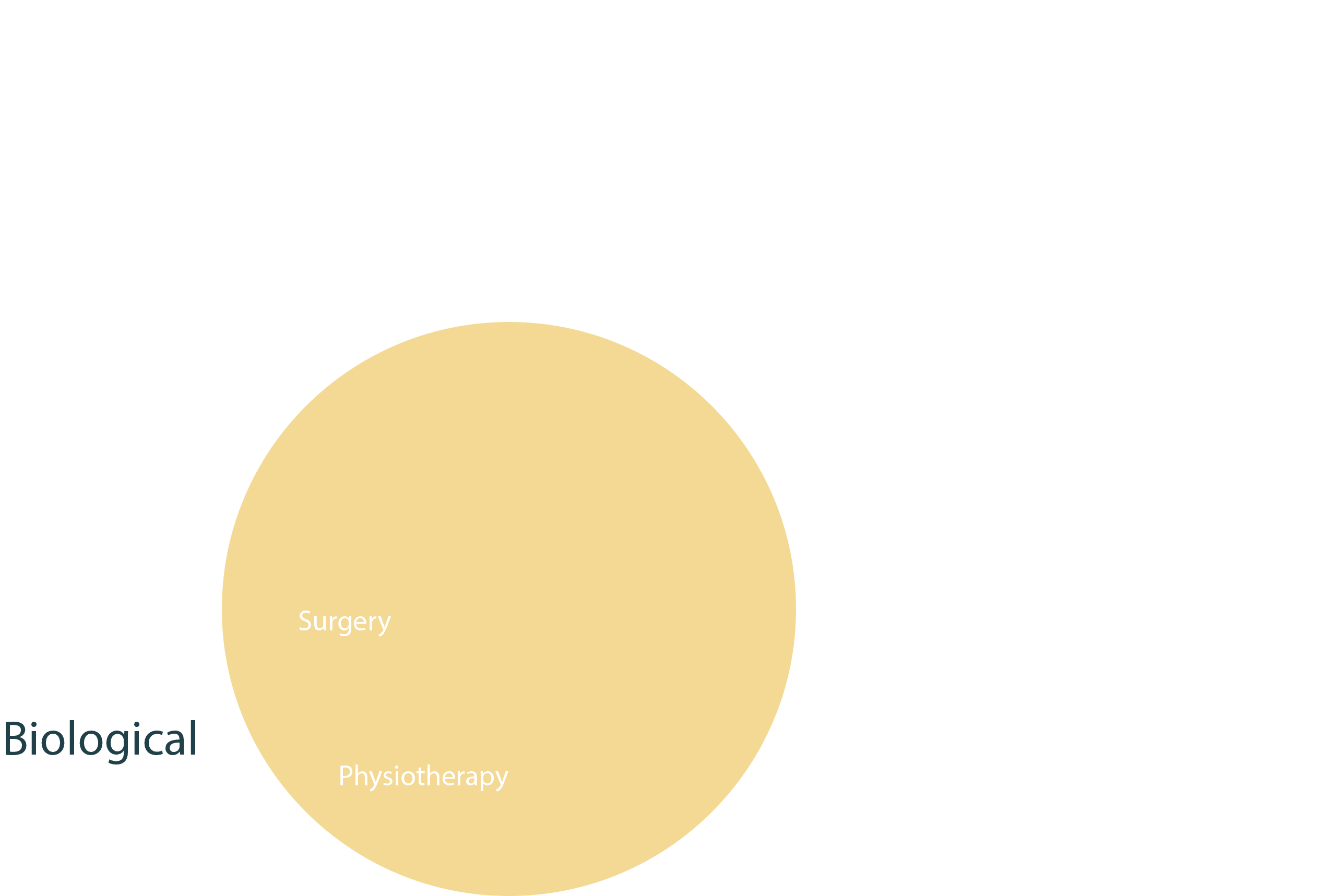
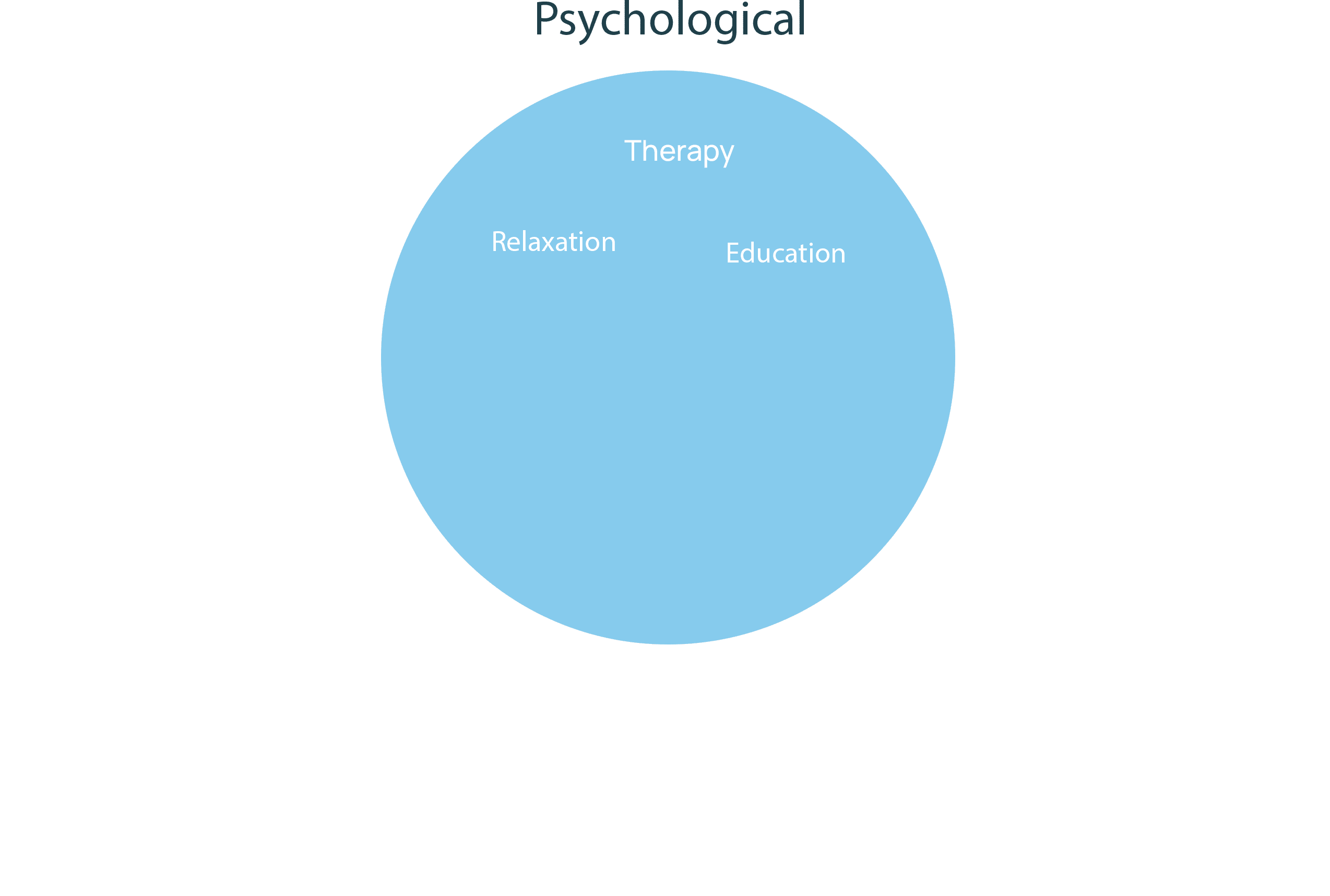
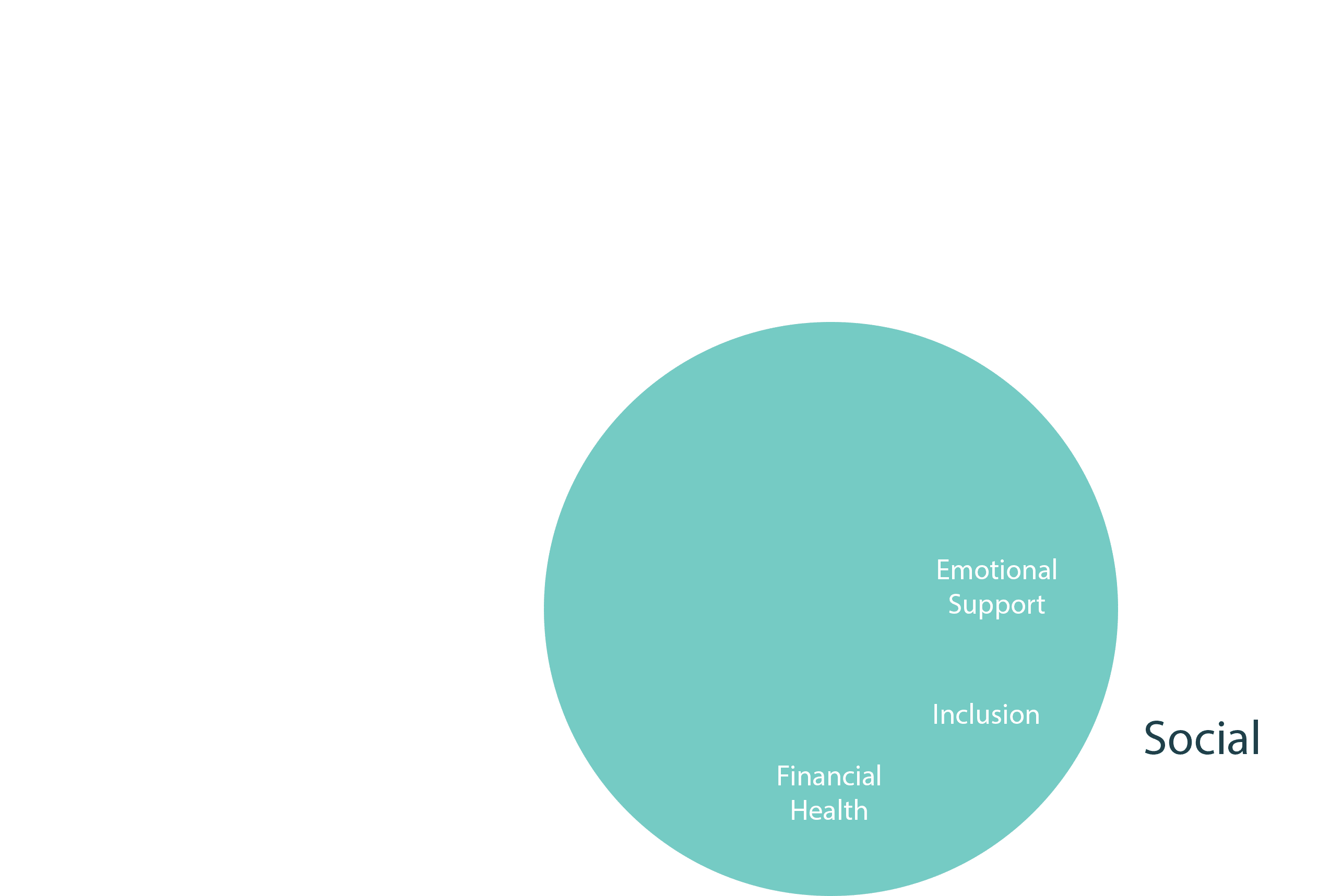
Our specialist pain physicians will work with your GP and our allied health practitioners to deliver care that focuses on the whole person, not just certain parts of your body.

A holistic approach has been scientifically proven to deliver better recovery outcomes than fragmented care.
Ven 2 1
Ven 3 1
Ven 4 1
Ven 1 1

What Is Pain Medicine?

How Integrated Pain Medicine Works

Here’s what you can expect if your GP refers you to us.

Patient consultation in medical setting.

1. Assess

We work with you and your GP to identify the root cause of your pain.

That includes screening for any underlying conditions that could be making your pain worse.

Doctor writing notes in clipboard.

2. Plan

Together, we put together a plan to manage your pain.

Your care plan can include everything from nutrition and mental wellbeing support to surgery and medication.

Three women preparing food together.

3. Implement

Our specialists and allied health practitioners help you and your GP put your plan into place.

We’ll review and adjust your supports based on your progress.

Bring Your Pain Under Control

Pain is a complex condition, and becoming completely pain-free isn’t always an option.

As part of your care team, we want to relieve your pain as much as possible, enabling you to create a life worth living.

For many people, understanding their pain is key.

Knowing your painchangers – the things that can make your pain better or worse – can help you structure your lifestyle, work and relationships in the right way.

We’ll also help equip you with holistic supports, which can include self-management tools, medication, and ongoing care from our allied health team.

Breaking the spiral of persistent pain starts with the right approach.

Should I Wait to Seek Pain Support?

Acute pain from an injury or illness should go away once you get better.

Persistent pain is different.

Even if you seem physically well, inflammation can change the way your body interprets nerve signals, leading to ongoing localised or whole-body pain.

The longer inflammation occurs, the more likely it is your nervous system will become overly sensitised.

Getting care from a pain medicine specialist as early as possible can help prevent that process, which may stop your pain from getting worse and help you achieve the best possible outcome.

If you’re experiencing ongoing pain, ask your GP for a referral to us as soon as possible.  

How Can I Access Your Services?

A GP referral gives you access to our full range of services, including our specialist pain physicians.

You can also book with our allied health team individually.

For Medicare eligibility, a referral, chronic disease management plan, mental health plan, or D904 is required from your GP.

We invite you to share this website with your GP or encourage them to call us for a complimentary discussion.

Ask About Allied Health

Find Resources

Learn about the basics of pain, discover screening tools and other resources, and explore pain-related conditions and interventions.

Resources For People With Pain
Resources For Healthcare Providers

Rethinking Pain

Rethinking Pain

Central Sensitisation

Central Sensitisation

An evidence based approach

An evidence based approach

Specialist Pain Medicine Physicians

Specialist Pain Medicine Physicians

Understanding Pain

Understanding Pain

The mystery of chronic pain

The mystery of chronic pain

Our Specialist Pain Physicians

Loading...
Liam Ring 1 277x300 1

Dr Liam Ring

FANZCA, FFPMANZCA

JMGP DSF8942

Dr Anthony Sayce

Specialist Pain Physician

DR Thomas Chalk 300x300 1

Dr Thomas Chalk

FANZCA, FFPMANZCA

Pain Medicine FAQs

For People With Pain

Do you perform surgeries?

Yes, we do. Surgery can help some people permanently reduce their pain. Like all medical procedures, though, it comes with risk, so we’ll only recommend it as part of your care plan if we believe the potential benefits outweigh the risk of complications.

If surgery is a part of your care plan, we’ll operate at John Flynn Private Hospital or one of Healthscope’s Gold Coast and Tweed facilities.

I’m not depressed. Why did my GP prescribe me antidepressants for my pain?

Some types of pain don’t respond to medication like NSAIDs and opioids. Antidepressants can change how your body interprets signals from nerves called nociceptors, which reduces pain. Everyone’s pain is different, so your GP may be seeing whether antidepressants work for you.       

I’m on WorkCover. Can I be referred to you directly?

Your WorkCover case manager isn’t a medical practitioner, so they won’t normally refer directly to us.

Instead, you can get a referral from your GP.

They’ll share your relevant medical history and treatment details, which helps us provide the most appropriate care as part of your return-to-work plan.

You can also encourage your GP to refer you to us by sharing this website with them.

What’s the difference between nociception and pain?

Nociception and pain have slightly different meanings. Nociception happens when your body registers an unpleasant sensation like an injury. Your nociceptors – which are nerve cell endings across your body – tell your central nervous system (CNS) that something bad is happening. Your CNS will then pass that signal up to your brain.

When your brain registers the signal from your nociceptors, you might feel pain. Pain is your experience of what’s happening to your body. Pain becomes persistent when it doesn’t go away.

When your tissues are damaged, your cells release pro-inflammatory agents. Pro-inflammatory agents are a part of the healing process, but, sometimes, they can cause ‘peripheral sensitisation’ (where nociceptors at the damage site become more sensitive) or ‘central sensitisation’ (where your CNS amplifies signals from your nociceptors). Both types of sensitisation can cause persistent pain even once the original tissue damage has healed.           

What do your specialists’ qualifications mean?

‘FANZCA’ stands for a Fellow of the Australian and New Zealand College of Anaesthetics (ANZCA), the industry body for anaesthetists in Australia and New Zealand. If a doctor uses the post-nominals ‘FANZCA’, it means they’ve passed all of ANZCA’s training requirements and specialise in anaesthetics.

‘FFPMANZCA’ stands for a Fellow of the Faculty of Pain Medicine, which is part of ANZCA. If a doctor uses the post-nominals ‘FFPMANZCA’, it means they’ve passed all of the FPM’s training requirements and specialise in pain medicine. 

For Healthcare Providers

When should I refer a patient to you?

If your patient is living with persistent pain – even if they haven’t been diagnosed with persistent pain – they should see a specialist pain physician as soon as possible. The earlier they can start receiving integrated care, the less sensitised their CNS will be, which improves their recovery chances. Pain medicine isn’t just for end-stage or palliative care – it can play an important role at many stages of treatment to help improve function and quality of life.

You can use our referral screening tool  to see whether your patient should see a pain medicine specialist. 

What role do your specialist pain physicians play in care?

When you refer a patient to us, our pain physicians will act as consultants. We’ll screen your patient for any morbidities that could be contributing to their pain, then liaise with you to put together an interdisciplinary care plan. Depending on the patient, that may include support from our in-house dieticians, physiotherapists , and psychologists.

As the patient’s primary physician, you’ll direct their care with our support. We’ll suggest regular reviews of the patient’s progress and adjustments to their plan as required. Importantly, you’ll also have an open line of communication with the treating pain physician – they’ll be available to talk through any questions, concerns or thoughts you might have. If a patient’s care plan includes surgery, that physician will conduct any necessary procedures.

How do I get more information from you?

You can call us to discuss our services or a specific scenario any time. We strongly believe that deepening the medical community’s understanding of persistent pain is the best way to help more patients get the care they need.

Person large
0 .6% of people with persistent pain

don’t have health management plans.

If you’re a GP or specialist, you can help your patients get the multidisciplinary care they need. Make a referral, request more information, or discuss a patient’s situation with one of our pain physicians.

Refer A Patient
Get In Touch

Statistic based on responses published in the 2024 National Pain Report.

Transparent-white-logo-3-300x118
  • 07 5620 1234
  • 07 3009 0420
  • admin@managingpain.clinic
  • Suite 8 of the Vicinity Building,
    18 Campus Crescent,
    Robina QLD 4226
Linkedin

Treatments

  • Pain Medicine
  • Interventional Pain
  • Complex Pain
  • Persistent Pain
  • Neuropathic Pain
  • Pelvic Pain
  • Pain Psychology
  • Nutrition for Pain

For Patients

  • About Us
  • Before Your Visit
  • Patient Resources
  • Patient Portal
  • Contact Us

For Referrers

  • Our Doctors
  • Refer A Patient
  • Contact Us

© 2025 Managing Pain. Website by iOnline.

Privacy Policy